Tank or Tankless Water Heaters for Greenville, MI: A Home Plumbing Buyer's Guide
Choosing the right water heater is one of the most practical home plumbing decisions a Greenville, MI, homeowner can make. Whether you are replacing an aging unit or planning a new installation, understanding your home plumbing options helps you avoid costly mistakes. This guide breaks down tank and tankless water heaters. You will learn how each works, what fits your home, and what a plumber checks before recommending one.
How Each Type of Water Heater Works
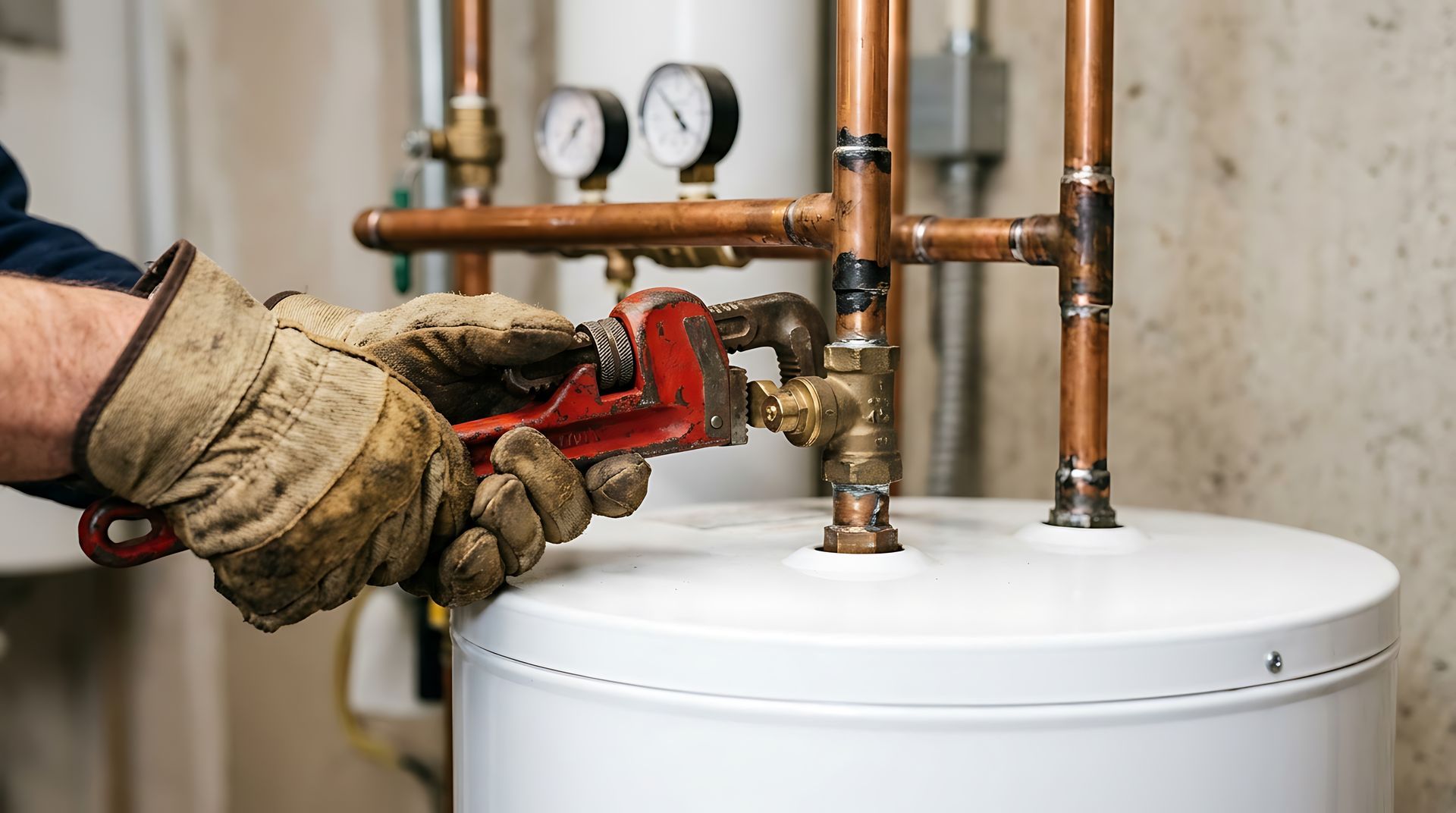
Tank and tankless water heaters deliver hot water in very different ways. A traditional tank unit stores a large volume of water, heats it continuously, and keeps it ready whenever you turn on a faucet. Most home tanks hold between 30 and 80 gallons. The unit cycles on and off all day to keep the water at the set temperature, even when no one is home.
A tankless unit, sometimes called an on-demand heater, works differently. It heats water only when a faucet or appliance calls for it. A strong burner or electric element warms the water as it flows through the unit. There is no storage tank, so there is no standby heat loss between uses.
What Size Water Heater Does a Greenville, MI, Home Actually Need?
Sizing is not one-size-fits-all, and a trained plumber will assess your household's specific needs. For tank heaters, the key number is the First Hour Rating. It tells you how much hot water the unit can deliver in the first hour of heavy use. A household of two adults may manage with a 40-gallon tank. A family of five may need 60 gallons or more to avoid a cold shower.
For tankless units, sizing comes down to flow rate, measured in gallons per minute, and how much the water must be heated. Greenville, MI, sits in Montcalm County, where groundwater temperatures can drop significantly in winter. Cold incoming water requires more energy to reach a usable temperature, which means undersized tankless units can struggle during peak winter demand. A plumber will add up how much hot water your home uses at once and match it to a unit with enough capacity.
What Happens When You Run Out of Hot Water?
A tank heater has a fixed supply. Once you use up the hot water, you wait for the tank to refill and reheat. This can take 20 to 40 minutes, depending on fuel type and tank size. Tankless units do not run out the same way. However, a single undersized unit can fall short if several fixtures run at once. Some homes in the Greenville area benefit from two smaller tankless units or a dedicated unit for high-demand areas like a master bath.
Space, Fuel Type, and Installation Factors
Tank heaters are bulkier but straightforward to install in utility rooms, basements, or garages. Many older homes in Greenville and nearby Montcalm County already have a spot for a tank unit. This can make a direct replacement easier.
Tankless units are wall-mounted and take up far less space. This appeals to homeowners who want to reclaim a utility closet. However, installation can be more involved:
- Gas models often need a larger gas line and new venting.
- Electric models may need an electrical panel upgrade to handle the extra load.
Your fuel source matters too. Both types come in natural gas, propane, and electric versions. A plumber will check your current fuel supply. They will also see if any gas line or electrical upgrades are needed before recommending a unit.
How Long Does a Water Heater Last?
Lifespan is a practical consideration for any home plumbing investment. Tank water heaters typically last 8 to 12 years with routine maintenance. Tankless units tend to last longer, often 15 to 20 years. They do not hold standing water, which can cause sediment buildup and rust over time.
What Maintenance Does Each Type Require?
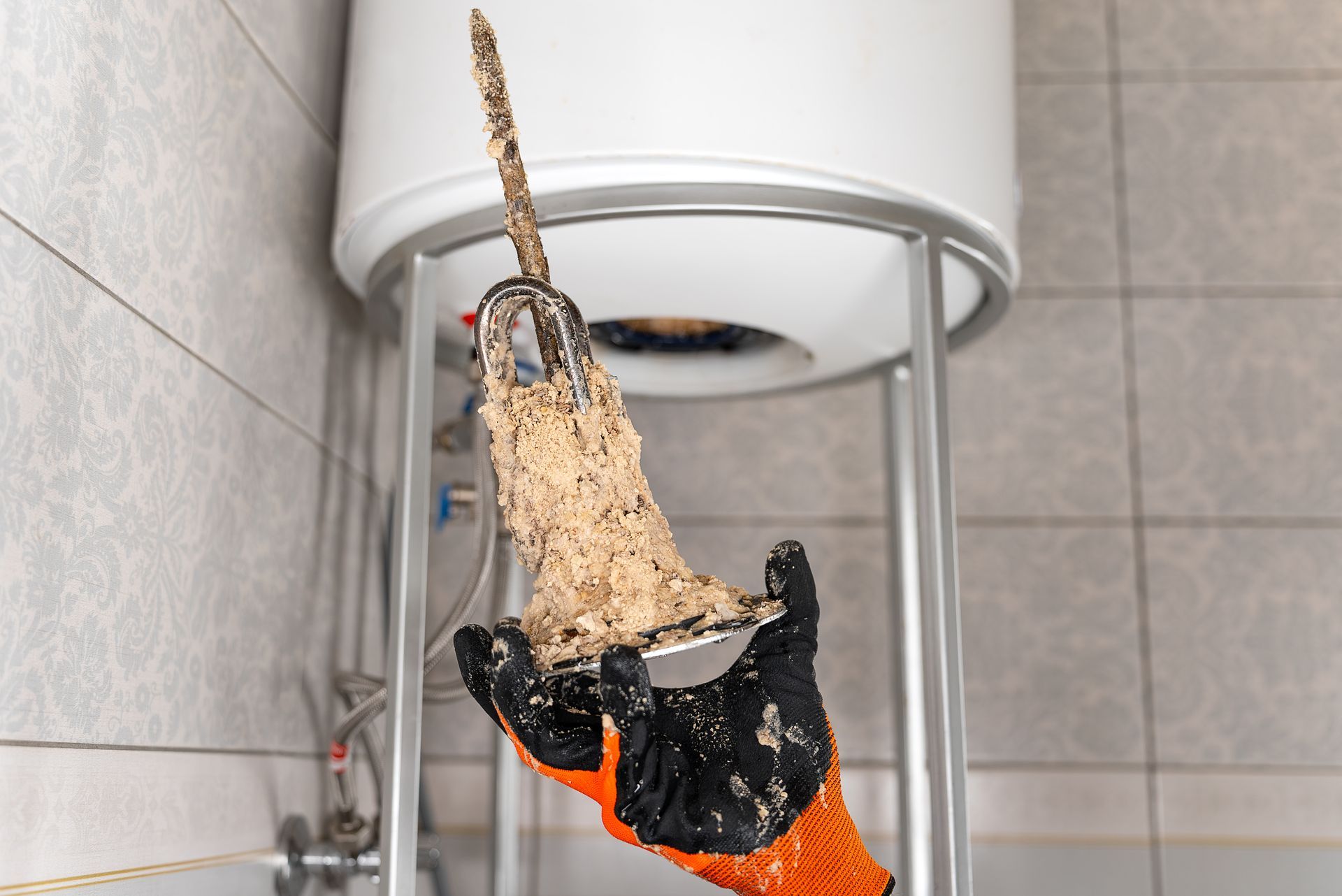
Hard water is common in Montcalm County. Mineral buildup can shorten a tank heater's lifespan and reduce efficiency. Tank heaters benefit from regular care:
- Have the anode rod, which helps stop rust inside the tank, checked once a year.
- Flush the tank every so often to remove sediment.
Tankless heaters also need descaling, which means removing mineral buildup, especially in hard-water areas. A plumber may recommend a water softener or filtration system alongside a tankless installation to protect the unit's inner heating parts. Both types benefit from periodic professional inspections to catch small issues before they become costly repairs.
What a Plumber Assesses Before Recommending a Unit
A licensed plumber will look at several things before suggesting tank or tankless:
- Household size and peak hot water demand.
- Available fuel type and current setup.
- Incoming water temperature and water quality.
- Available installation space.
- Whether existing venting or electrical systems need upgrading.
Skipping this assessment and choosing a unit based on price alone can lead to a system that underperforms or needs expensive rework. Getting the right home plumbing fit from the start saves time and money over the life of the unit.
For plumbing services that cover water heater installation and replacement, a professional evaluation is the most reliable starting point.
Ready to Choose the Right Water Heater for Your Home?
Both tank and tankless heaters can serve Greenville, MI, homeowners well. The right choice depends on your home's layout, your household's hot water habits, and your existing infrastructure. Neither option is universally superior. What matters most is getting an informed recommendation from a plumber who knows what your specific home plumbing situation requires.
Russell Plumbing & Heating has been serving the Greenville area since 2003 with water heater installation, replacement, and service for both tank and tankless systems. Call (616) 754-9900 to request a free estimate, or contact the team online to schedule a consultation.