What Hard Water Means for Your Home Plumbing Maintenance
Hard water is a serious but often overlooked threat to home plumbing. If you live in or around Greenville, MI, this issue may be more relevant to your household than you realize. The Greenville area is known for elevated mineral content in its water supply, and that mineral load takes a quiet toll on pipes, fixtures, and appliances every single day.
What Hard Water Actually Is
Hard water contains higher-than-normal levels of dissolved minerals, primarily calcium and magnesium. When slightly acidic rainwater hits limestone rock, it dissolves those minerals, and by the time it reaches your well or municipal aquifer, it can be heavily saturated with dissolved rock.
Water hardness is measured in grains per gallon (GPG), and the Greenville area exceeds 12 GPG, well past the "very hard" threshold of 10.5 GPG. The City of Greenville draws its water from seven groundwater wells on the southeast side of the city, meaning that water passes through mineral-rich geological layers before it ever reaches your tap. Hard water is a concern for well and city water customers alike.
How Hard Water Damages Your Pipes, Fixtures, and Appliances
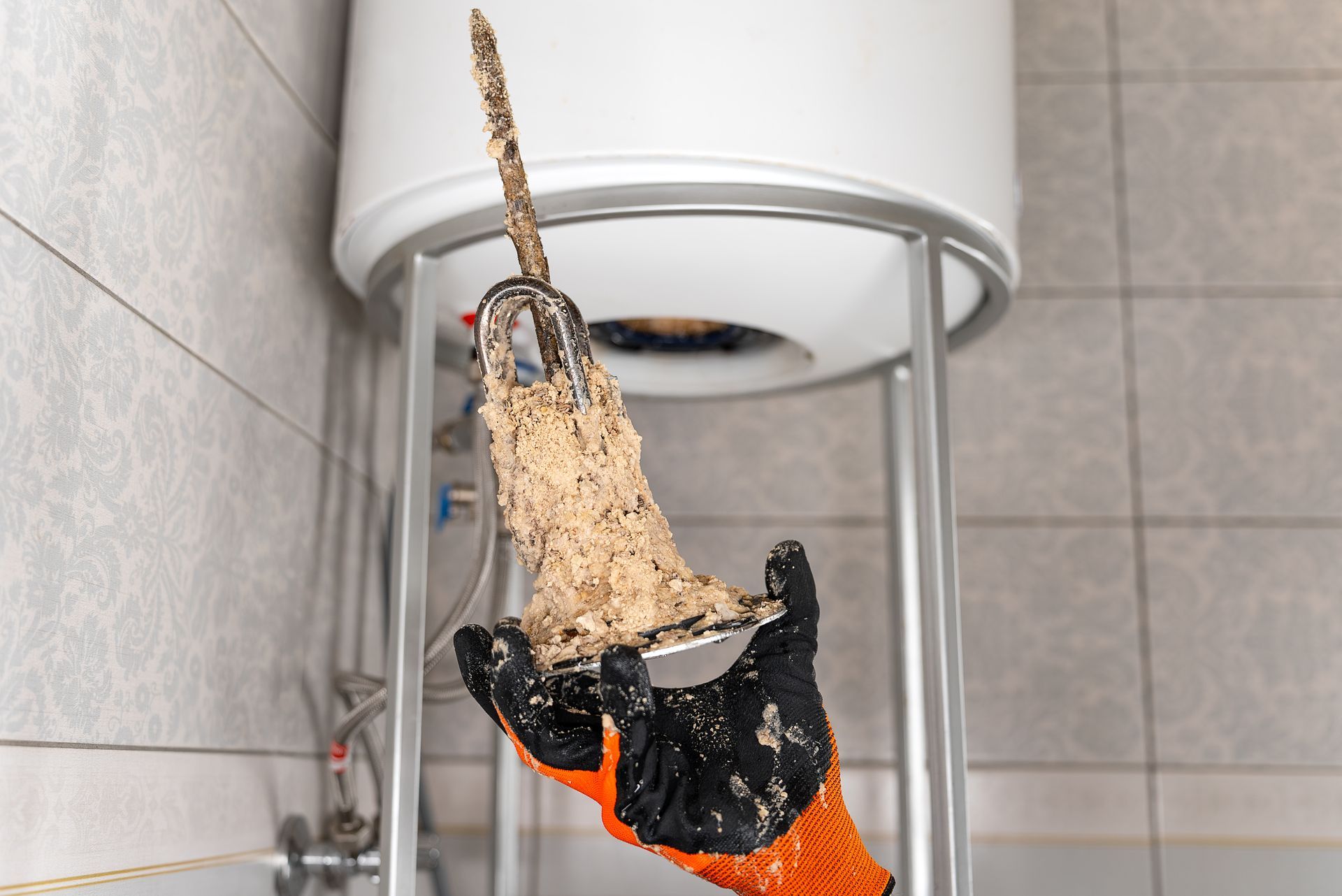
Hard water causes mineral scale to accumulate throughout your home plumbing system. Over time, this scale narrows pipes, reduces water pressure, and forces appliances to work harder than they should.
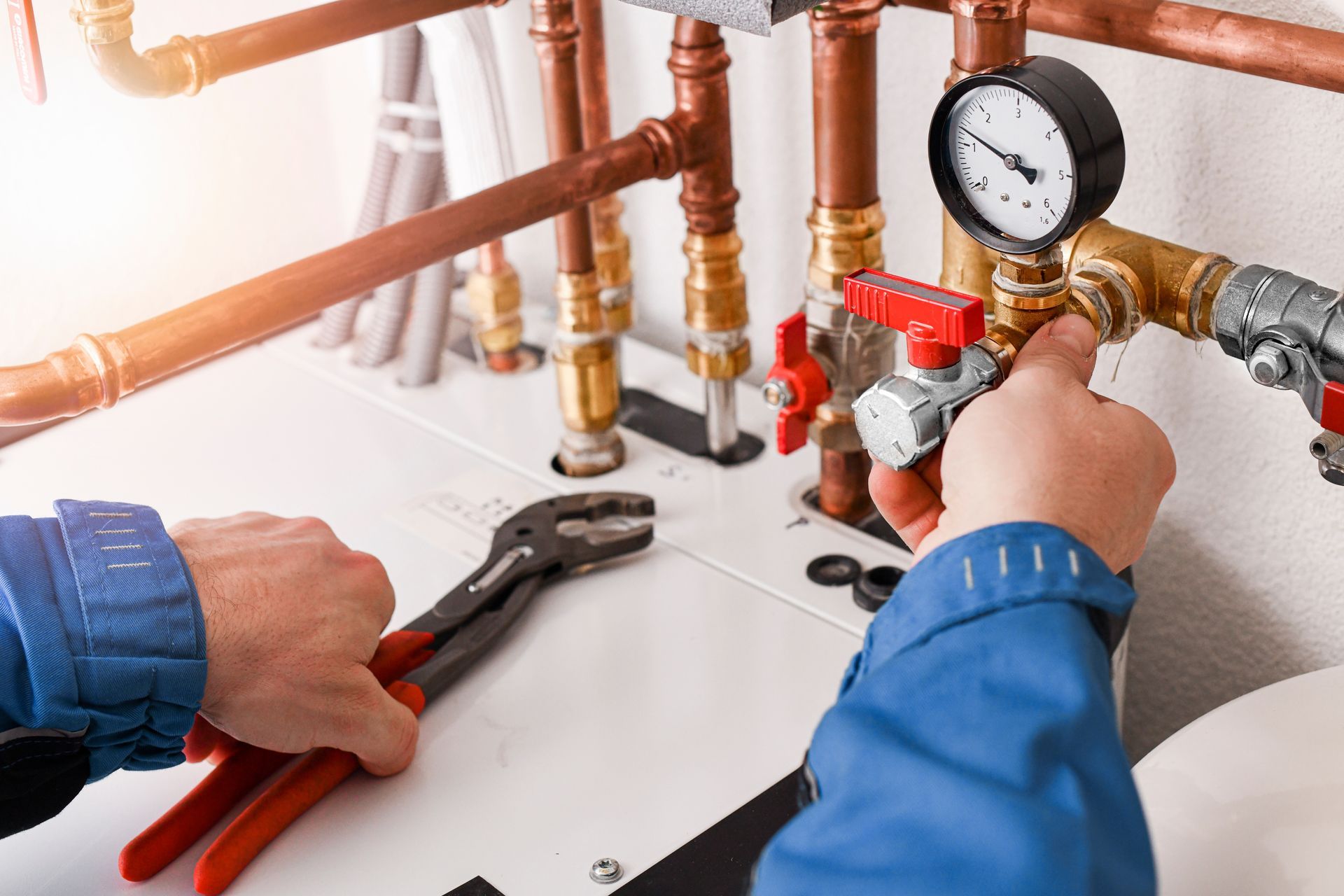
Your water heater is often hit hardest. Scale buildup reduces heating efficiency and shortens the unit's useful life, a particular risk in high-hardness areas like Montcalm County. Fixtures and appliances throughout the house are also vulnerable. When left untreated, hard water can damage showerheads, dishwashers, washing machines, and other water-using appliances.
Signs of Hard Water Damage in Your Home
Hard water leaves behind visible and functional clues. Watch for white or chalky deposits around faucets, showerheads, and drains; reduced water pressure from scale narrowing your pipes; popping or rumbling noises from your water heater indicating sediment buildup; soap that does not lather well or leaves residue on skin and dishes; and soap scum in showers, stiff laundry, or dry skin.
If you notice several of these together, your home plumbing in Greenville, MI, may already be affected by hard water mineral accumulation.
Preventive Options Worth Considering
Water Softeners
A water softener is the most effective treatment for hard water. These systems replace calcium and magnesium ions with sodium ions, resulting in softer water throughout the home. For households in Montcalm County with hardness above 12 GPG, a whole-home softener can meaningfully reduce scale buildup across your plumbing system.
Whole-Home Filtration
Filtration systems address concerns beyond hardness, including sediment, odors, and other contaminants that groundwater may carry. High mineral content can shorten appliance lifespans and clog home plumbing if left untreated, making treatment highly recommended for very hard water households.
Regular Maintenance
Even with a softener installed, routine upkeep matters. Flushing your water heater annually removes accumulated sediment. Cleaning aerators and showerheads prevents mineral deposits from restricting flow. These habits can meaningfully extend the life of your fixtures.
When Should You Call a Local Plumber?
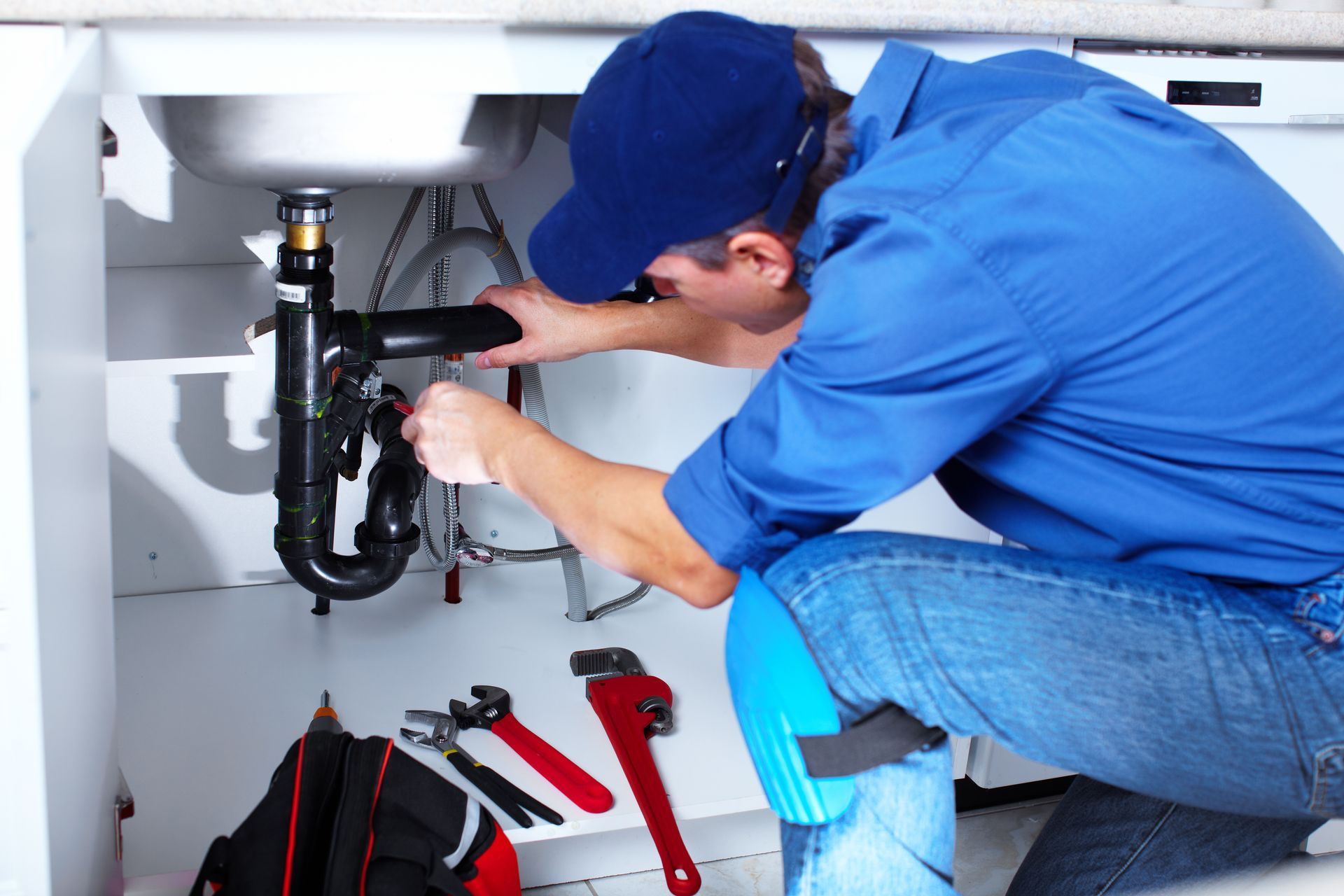
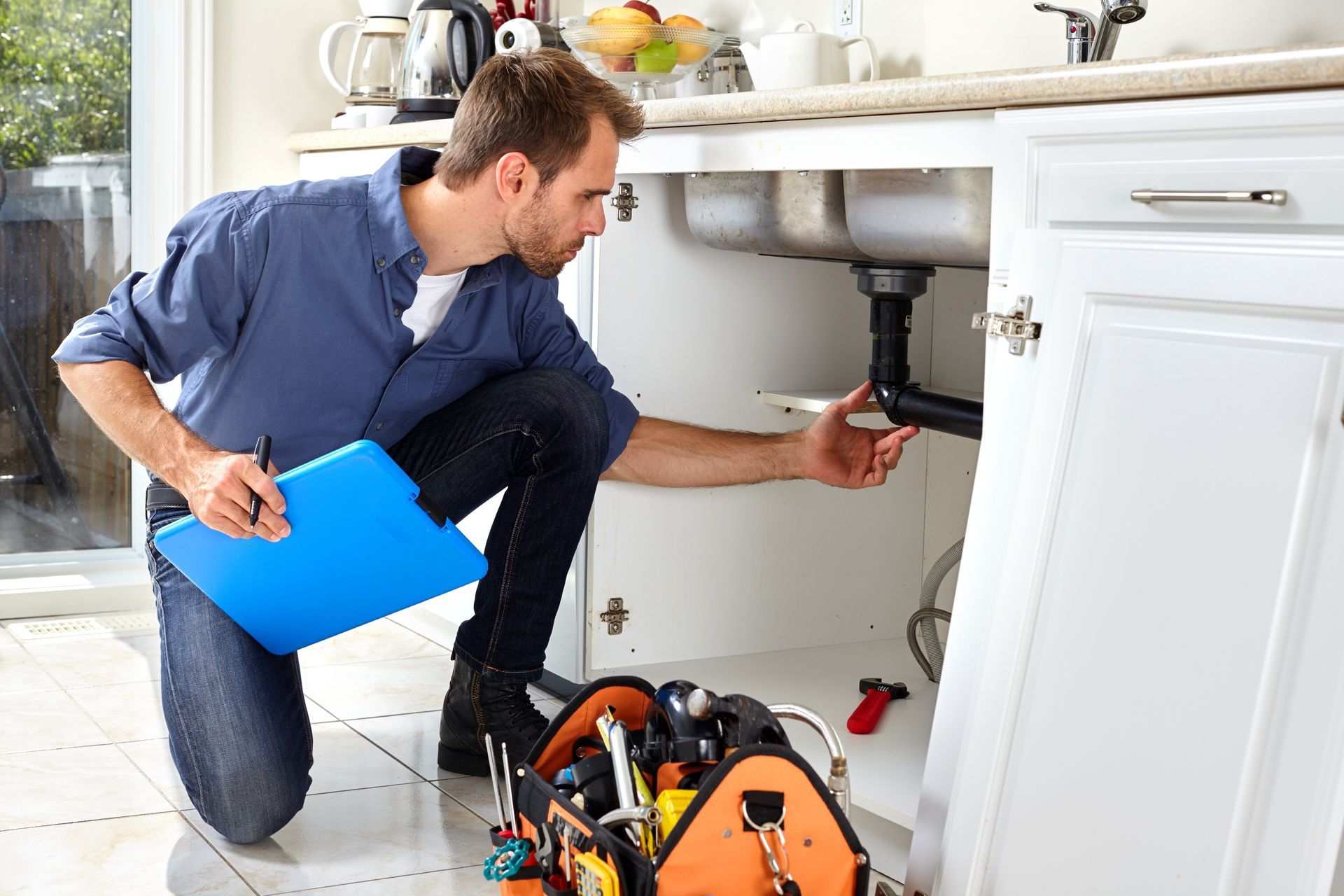
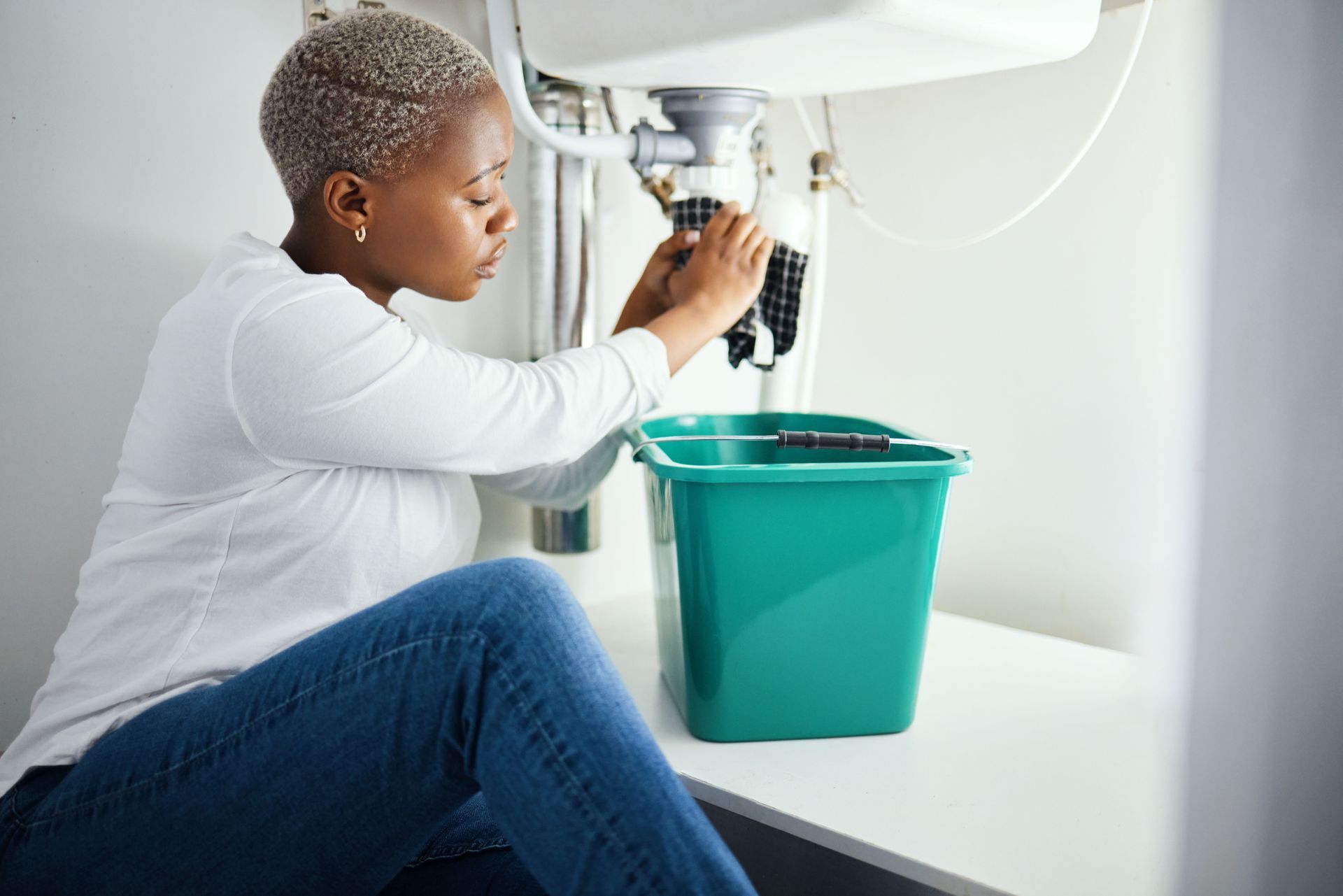
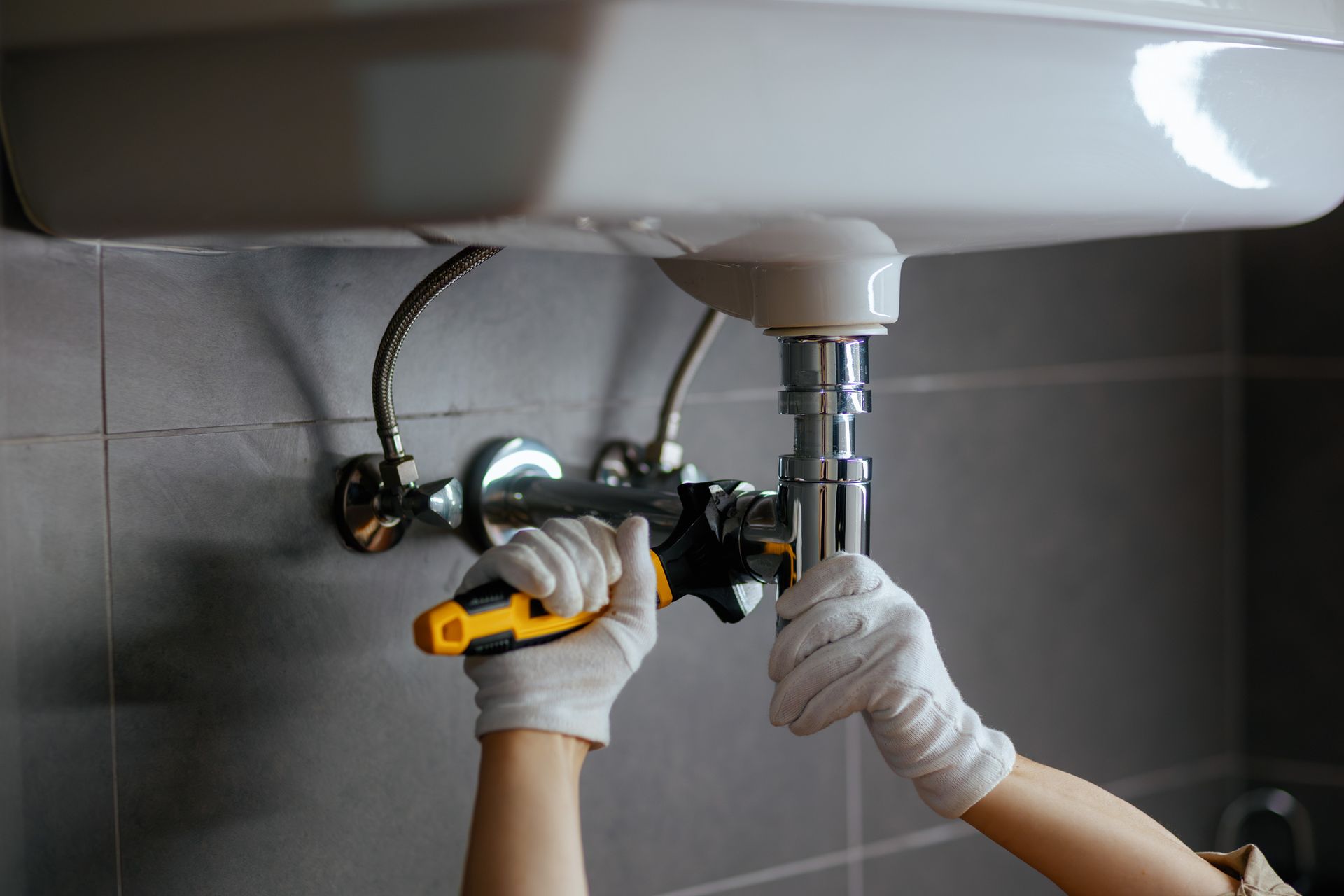
Some hard water problems go beyond what a softener alone can fix. Call a licensed plumber when you notice a sudden or gradual drop in water pressure throughout the house; unusual sounds from the water heater such as cracking or popping; visible corrosion or leaks near pipe fittings or under sinks; or a water heater more than eight to ten years old that has never been serviced.
A plumber can assess scale accumulation, check for pipe damage, and recommend water treatment options suited to your specific water supply.
Frequently Asked Questions
Does Hard Water Affect All Types of Pipes Equally?
No. Older galvanized steel pipes accumulate scale faster than copper or PEX, accelerating narrowing and corrosion. Homes built before the 1980s may face greater risk.
Is Hard Water Safe to Drink?
Yes. Hard water is safe to drink and may provide beneficial minerals. The concern is your home plumbing infrastructure and appliances, not your health.
How Often Should a Water Softener Be Serviced?
Most softeners benefit from an annual check of salt levels, resin condition, and regeneration settings. In high-hardness areas, more frequent salt refills may also be needed.
Can Hard Water Void Appliance Warranties?
Some manufacturers note that scale damage from untreated hard water may not be covered under warranty. Reviewing your appliance documentation can clarify what is covered.
Take the Next Step for Your Home's Plumbing
Hard water is one of the most common and preventable causes of home plumbing wear in Greenville, MI. Knowing the signs and acting early helps avoid unexpected repair bills. Russell Plumbing & Heating has been serving Greenville and the surrounding Montcalm County communities since 2003, offering water softener installation, water heater service, and full plumbing repairs. Contact us today to request an appointment, or find us on Google at Russell Plumbing & Heating.