Why Hiring a Licensed, Insured Residential Plumbing Service Matters
Hiring the right residential plumbing service can save Greenville, MI, homeowners from costly mistakes, failed inspections, and unprotected liability. Licensing and insurance are not just boxes to check on a contractor's website. They are legal requirements in Michigan that directly protect your home, your finances, and your family.
What Michigan Law Actually Requires of Licensed Plumbers
Licensed plumbers in Michigan must meet strict state standards. In Michigan, any plumbing work beyond minor repairs requires a state-issued plumbing license. That means the person working on your pipes has been vetted, tested, and approved by the state.
Michigan offers two primary types of plumbing licenses through the Department of Licensing and Regulatory Affairs (LARA): the Journeyman Plumber License and the Master Plumber License. A journeyman works under a master plumber's supervision. Earning a journeyman license requires completing four years, approximately 7,500 hours, as an apprentice under a licensed master plumber.
A master plumber must hold a journeyman license, work an additional 3,400 hours as a journeyman, then pass the master plumber exam covering advanced plumbing skills and business practices. That is years of hands-on training before a plumber can legally run their own operation in Michigan.
Only a licensed master or journeyman plumber may legally perform plumbing work in Michigan. A licensed master plumber must be in charge and responsible for proper installation and conformance with the state construction code. When you hire someone without a license, you are also hiring someone who may not legally be allowed to do the work at all.
Why Insurance Protects You, Not Just the Contractor
Insurance is equally important and often overlooked. Michigan plumbing contractors must maintain general liability insurance as a condition of licensure. This requirement exists to protect homeowners, not just plumbers.
General liability insurance is mandatory for all licensed plumbers, typically requiring minimum coverage of $500,000 per occurrence for property damage and $1,000,000 per occurrence for bodily injury. If a pipe bursts during the job and floods your basement, proper insurance means you are covered.
Without insurance, you could end up footing the bill for water damage, structural repairs, or even medical costs if a worker is injured on your property. A licensed and insured residential plumbing service provides a financial safety net that an unlicensed handyman simply cannot.
Red Flags to Watch for When Hiring a Plumber
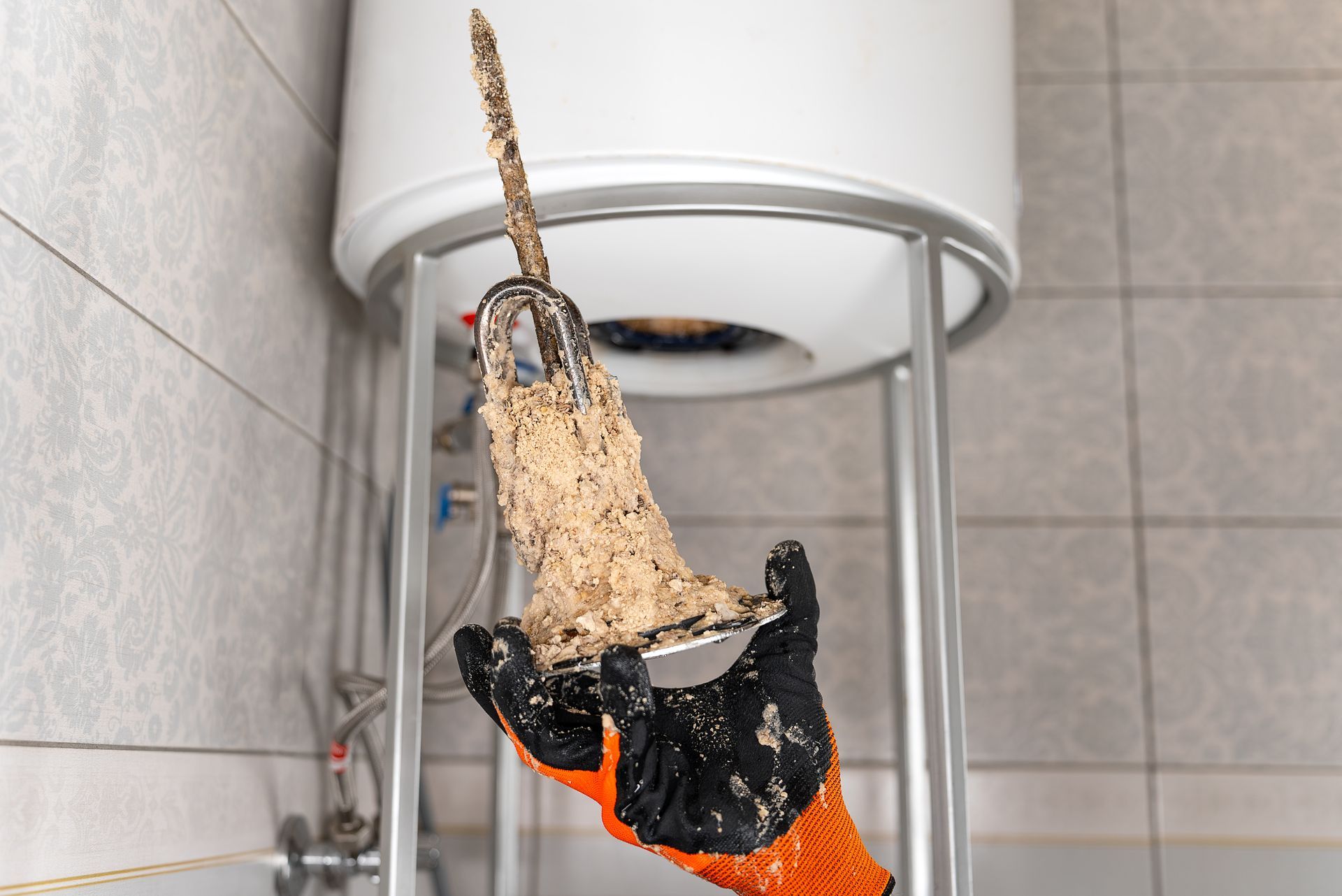
A low price can look appealing, especially for bigger jobs like water heater replacements or sewer line repairs. But certain warning signs can indicate a contractor who may cut corners.
Watch out for these red flags:
- A contractor who cannot provide a license number when asked.
- No proof of general liability or workers' compensation insurance.
- Requests for full payment upfront before any work begins.
- No written estimate or contract before starting the job.
- Pressure to skip the permit process on work that legally requires one.
The Michigan Plumbing Code, based on the 2021 International Plumbing Code with specific Michigan amendments, governs permitting requirements for plumbing work across the state. Most plumbing installations, replacements, alterations, and major repairs require a permit. A plumber who suggests skipping a permit may be trying to avoid inspection, which protects them, not you.
Questions to Ask Before Hiring
Knowing what to ask can make a big difference. Here is a straightforward checklist you can use before signing anything.
Is Your License Current and Verifiable?
Your plumber's license can be verified through LARA's online search. Users can search by name or license number. Any legitimate contractor will welcome this step, not resist it.
Are You Insured for Both Liability and Workers' Compensation?
Ask for a certificate of insurance, not just a verbal yes. Plumbers operating in Michigan must adhere to specific insurance requirements to ensure compliance and protection. Reputable contractors carry current coverage and can provide documentation on request.
Will You Pull the Necessary Permits?
Work requiring permits includes new construction, significant remodels, modifications to bathroom and kitchen plumbing connections, repairs or replacements of sewer and drain lines, and the installation or modification of water heaters and gas lines. A good contractor handles permits as a standard part of the job.
Why Local Plumbers in Greenville, MI, May Serve You Better
National chains often rotate technicians and may lack familiarity with Montcalm County's local codes and inspection requirements. A local residential plumbing service in Greenville, MI, typically works within the same community, knows the area's permit offices, and has a reputation to protect right here at home.
Older homes in and around Greenville may still have galvanized steel or other aging pipe materials that require specific knowledge and experience to address correctly. A local plumber who has worked throughout the area, including communities like Gowen, Stanton, and Sheridan, is more likely to recognize these regional patterns and plan accordingly.
Local contractors are also easier to hold accountable. They are your neighbors. If something goes wrong, you know exactly where to find them.
Make the Right Choice for Your Home
Choosing a licensed, insured residential plumbing service is one of the most protective decisions a homeowner can make. It guards against liability, ensures code compliance, and gives you recourse if anything goes wrong. Whether you are dealing with a sudden repair or planning a full remodel, working with a qualified residential plumbing service ensures the job is done right the first time.
Russell Plumbing & Heating has served Greenville and the surrounding Montcalm County area since 2003 as a licensed and insured contractor. When you are ready to move forward, contact us to request an appointment or learn more about Russell Plumbing & Heating and what sets them apart.